Wood vs. Aluminum Poles: The Complete Selection Guide for Stretch and Sailcloth Tents
When engineering an outdoor tent structure, event hire companies, hospitality venues, and private buyers often devote the majority of their attention to the canopy fabric itself. However, the structural integrity, aesthetic character, and wind resistance of any canopy system depend entirely on the upright supports holding it in place. Choosing between natural wood poles, extruded aluminum poles, and structural steel poles is one of the most critical decisions you will make during your procurement process.
The wrong pole selection can result in structural failure under high wind loads, excessive transport costs, tedious installation schedules, or a mismatch in visual branding. A rustic wedding venue demands a warm, natural aesthetic, whereas a mobile event hire business prioritizes lightweight, modular portability. This technical guide evaluates the engineering properties, load dynamics, transport logistics, and maintenance protocols for every major tent pole material across both flexible stretch canopies and traditional sailcloth structures.
Understanding Pole Load Mechanics in Tensioned Structures
Before comparing specific materials, it is necessary to understand how tent poles function within a tensioned canopy system. Unlike conventional building columns that primarily support static vertical loads (the weight of the roof), tent uprights operate under complex multi-directional force vectors.
1. Axial Compression Loads
When guy ropes or perimeter webbings are ratcheted down to create tension across flexible fabric, that horizontal tension translates into massive downwards axial compression force on the center and perimeter poles. A single center pole in a large 15m x 20m stretch tent can experience downward vertical compression forces exceeding 800 to 1,200 kg under peak line tension.
2. Bending Moments and Lateral Flex
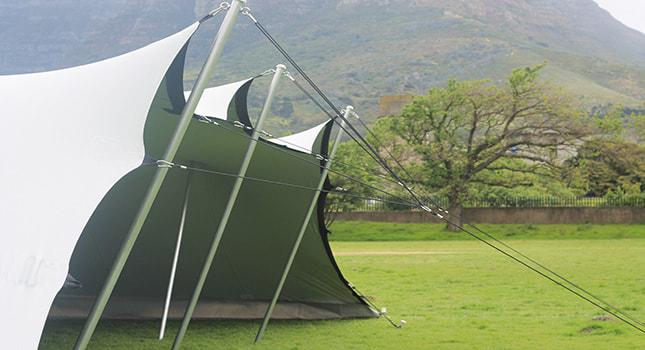
Wind loading against canopy sidewalls creates severe lateral forces. As wind strikes the fabric, the top of the pole experiences a bending moment (torque) that attempts to bow the pole shaft or kick its base out of position. If a pole flexes beyond its elastic yield limit, it will buckle or snap catastrophically. The choice between rigid, unyielding aluminum and flexible, dampening timber directly dictates how your rig handles sudden atmospheric pressure spikes.
Option 1: Wooden Poles (Eucalyptus, Pine, and Laminated Timber)
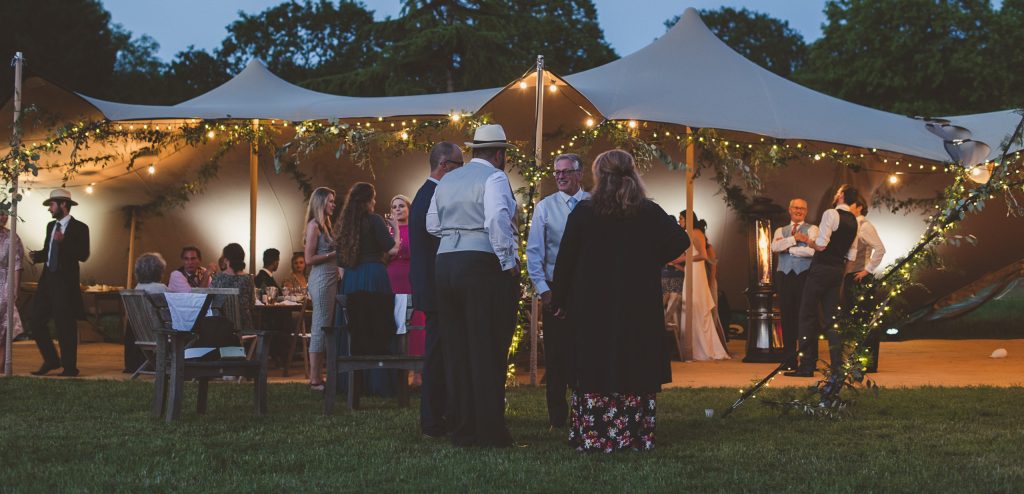
Natural timber poles are the indisputable gold standard for high-end aesthetic appeal. They deliver an organic, warm, and luxurious atmosphere that synthetic materials cannot duplicate, making them the default choice for boutique weddings, eco-resorts, and luxury glamping installations.
Recommended Timber Types and Specs
- CCA-Treated Eucalyptus / Saligna Poles: Widely used across Southern Africa, eucalyptus timber provides incredible density and natural tensile strength. For heavy structural center poles, diameters typically range from 100mm to 125mm for perimeter uprights, up to 150mm–180mm for tall main center poles.
- Laminated Spruce or Pine (Glulam): Manufactured by bonding layers of seasoned timber under hydraulic pressure, Glulam poles eliminate natural knots and structural weak points. They deliver extreme straightness, uniform diameter, and superior strength-to-weight ratios compared to raw tree logs.
Timber poles are particularly vital when erecting high-peak sail cloth tents, where the classic wooden mast look defines the architectural elegance of the installation. For detailed comparisons between tent fabric styles and how they pair with timber, review our technical breakdown on sailcloth tents vs stretch tents.
Advantages of Wooden Poles
- Unmatched Visual Elegance: Warm wood tones enhance ambient lighting, fairy lights, and floral installations, commanding premium rental rates for wedding planners.
- High Flexural Strength: Quality hardwood poles absorb dynamic wind loads through natural micro-flexing, dampening sudden shocks across the fabric canopy rather than transferring raw force directly into ground anchors.
- Quiet Structural Performance: Timber poles do not resonate or clatter against metal hardware or fabric dome caps during high winds, ensuring a peaceful interior environment.
Disadvantages and Operational Challenges
- Heavy Transport Weight: A 6-meter solid eucalyptus center pole (150mm diameter) can weigh between 40kg and 60kg. A complete venue setup requires significant manpower to load, transport, and manually maneuver on-site.
- Non-Modular Transport Lengths: Solid timber poles cannot be easily broken down into short sections without expensive internal steel sleeve connectors. Transporting 6m or 7m single-piece masts requires extended-bed trucks or specialized roof racks.
- Susceptibility to Weathering and Checking: Unsealed timber expands in damp conditions and shrinks in hot sunlight, leading to surface cracking (“checking”). Regular sanding, varnishing, or oiling is mandatory to maintain structural integrity and appearance.
Option 2: Extruded Aluminum Alloy Poles
Aluminum is the material of choice for commercial tent rental operations, high-frequency event hire companies, and mobile setup crews. Extruded structural aluminum alloys—primarily 6061-T6 or 6082-T6 grade—combine low overall weight with high resistance to atmospheric corrosion.
Engineering Specifications: Anodized and Telescopic Profiles
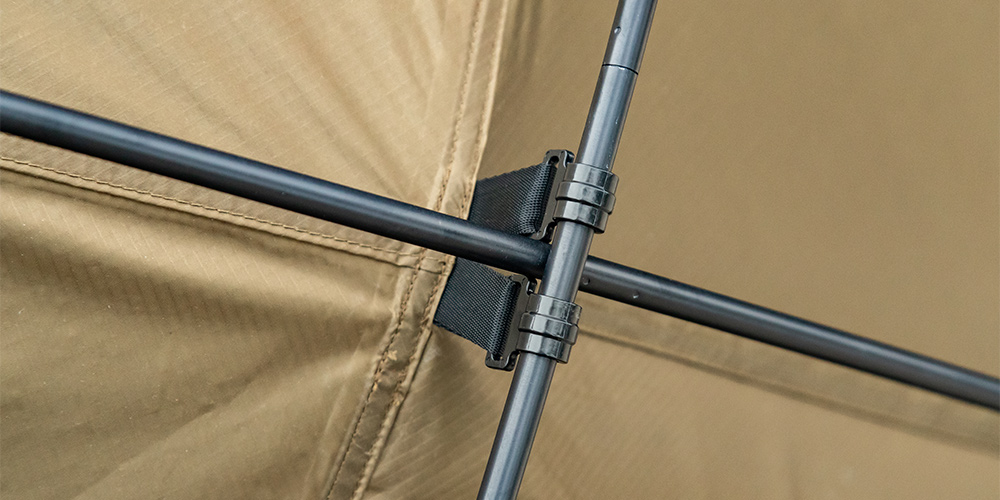
Commercial aluminum tent poles are typically manufactured from 76mm, 89mm, or 100mm outer-diameter tubing with a wall thickness ranging from 3mm to 5mm. Advanced aluminum systems feature telescopic or swaged push-fit design connectors, allowing long center poles to break down into manageable 1.5m or 2m individual sections.
To view pre-engineered pole assemblies, metal toppers, baseplates, and modular joiners engineered for rapid field deployment, explore our specialized inventory of pole related tent accessories.
Advantages of Aluminum Poles
- Lightweight Portability: Aluminum weighs approximately one-third the mass of equivalent steel and up to 50% less than wet hardwood poles. A single technician can easily carry multiple modular pole sections across an event site.
- Modular Storage and Logistics: Break-down aluminum poles fit neatly inside standard utility vans or enclosed trailers, eliminating the need for long-wheelbase transport vehicles and lowering fleet fuel costs.
- Zero Maintenance and Corrosion Resistance: Anodized or powder-coated aluminum will never rust, rot, split, or absorb groundwater. Rainwater wipes off instantly, allowing rapid pack-down after wet events without fear of fungal rot during storage.
- Telescopic Height Adjustability: Adjustable aluminum poles allow riggers to fine-tune center height in 50mm increments. This flexibility is invaluable when pitching stretch canopies over uneven terrain, terraced gardens, or elevated stages.
Disadvantages of Aluminum Poles
- Higher Material Cost: High-grade structural 6061-T6 alloy tubing carries a higher initial manufacturing cost per meter than raw softwood or standard steel tubing.
- Risk of Permanent Bending/Kinking: While aluminum is rigid, if it is overloaded past its yield point during an extreme storm, it will bend permanently or buckle at the joint connection. Unlike timber, a kinked aluminum pole cannot be repaired and must be discarded immediately.
- Industrial Visual Appearance: Bare silver metal can look overly utilitarian for formal events unless covered with fabric sleeves or painted/powder-coated in custom matte finishes.
Option 3: Structural Galvanized Steel Poles
Galvanized mild steel or structural steel tubing represents the heavy-duty option for semi-permanent or permanent outdoor tent installations where transport mobility is not a primary concern.
Best Use Cases for Steel Supports
Steel poles are ideal for semi-permanent installations at coastal restaurants, permanent wedding venues, wine estates, and commercial dining terraces. When a canopy remains pitched in position for months or years at a time, structural weight is an advantage because heavy steel provides massive resistance against persistent wind loading.
For long-term commercial venues looking to secure heavy uprights to timber decks or concrete footings, pair your steel posts with high-load bracketry from our permanent tent installation accessories catalog.
Direct Comparison Matrix: Wood vs. Aluminum vs. Steel
| Performance Feature | Natural Timber (Eucalyptus/Pine) | Extruded Aluminum (6061-T6) | Galvanized Steel |
|---|---|---|---|
| Primary Application | Luxury Weddings & Glamping | Mobile Event Hire & Rental Fleets | Permanent Venue Installations |
| Weight per Meter | High (Heavy) | Very Low (Lightweight) | Very High (Extremely Heavy) |
| Modularity / Break-Down | Poor (Long single pieces) | Excellent (Multi-piece push fit) | Moderate (Bolted flanged sleeves) |
| Corrosion & Weathering | Requires sealing/varnishing | Impervious to rot and rust | Rust-resistant (Galvanized) |
| Flexural Resilience | High (Natural shock absorption) | Rigid (Will bend if overloaded) | Extremely High (Minimal flex) |
| Aesthetic Class | Organic / Premium Luxury | Modern / Industrial Utility | Structural / Commercial |
Protecting Canopy Fabric: Pole Top Caps and Baseplates
Selecting the pole material is only half the engineering equation; how the pole contacts the ground and the canopy fabric is equally important. Applying raw wood or metal tubing directly against flexible stretch fabric will punch a hole straight through the membrane under high tension.
1. Pole Top Cap Dome Assemblies
Every center pole must be fitted with a smooth, large-surface-area dome cap or rubber protective cap. Synthetic polymer domes distribute downward axial pressure over a broad surface area, preventing high-tensile fabric puncturing. Many specialized caps feature integrated eyelets for running internal cross-cables, perimeter guy ropes, or fairy light rigging.
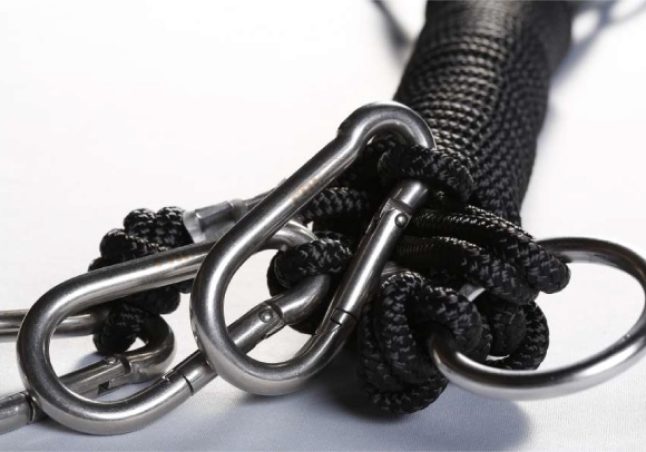
Complete your top-end rigging setup with commercial-grade shackles and rated quick-connect hardware from our rope carabineers and related accessories section.
2. Baseplates and Ground Anchoring
Unanchored pole bases can easily kick out sideways when hit by severe wind gusts, causing immediate canopy collapse. Always seat upright poles onto heavy-duty steel baseplates:
- Spiked Baseplates for Grass/Turf: Heavy steel plates fitted with vertical center spigots that insert into hollow aluminum tubing or solid wood bases, with long bottom spikes driven into soft earth. Secure surrounding guy wires using heavy-duty stakes from our peg anchoring accessories range.
- Flat Rubber-Padded Baseplates for Hard Surfaces: Wide-footprint steel baseplates equipped with non-marking rubber under-mats to prevent sliding across paved courtyards or delicate indoor flooring.
Maintenance Protocols to Maximize Pole Lifespan
Proper maintenance prevents structural fatigue and keeps your inventory looking brand-new for paying clients:
- Timber Care: Inspect wood poles after every event for deep structural cracks or moisture retention. Store wooden poles horizontally on padded multi-tier racks off the ground in a well-ventilated warehouse to prevent warping. Treat timber annually with marine-grade UV-resistant penetrating oil or varnish.
- Aluminum Care: Rinse aluminum pole sections with clean freshwater after beach or coastal installations to remove corrosive salt spray and grit. Flush internal joint spigots with compressed air to clear trapped dirt that causes joint jamming.
- Fabric Surface Care: Never allow wet poles to sit compressed inside folded tent bags during transport, as rust, dirt, or wood tannins can transfer directly onto light-colored canopy fabrics. Review our step-by-step master guide on how to clean and maintain a stretch tent to remove stubborn surface stains safely.
Sizing Your Rigging Setup Accurately
Choosing the correct quantity, diameter, and height profile of poles depends entirely on your total tent footprint and expected guest capacity. To calculate exact pole counts and site clearance dimensions for upcoming events, consult our definitive stretch tent planning guide south africa or evaluate proper canopy sizing via how to choose the right stretch tent size for your event.
Whether you are outfitting a mobile rental fleet with modular aluminum or equipping a permanent resort venue with rustic eucalyptus timber, selecting high-grade support hardware protects your investment and ensures site safety. Explore real-world installation examples in our online gallery, or reach out to our technical team via the contact page for tailored hardware advice.