Planning an outdoor function and weighing up a stretch tent? Good call. They cover more ground, adapt to tricky sites, and hold up to South African weather better than most rigid structures. This guide walks you through every decision that matters, from sizing and sidewalls to weddings, marquees and buying, with a direct link to the detailed breakdown on each one.
What is a stretch tent and why choose one for a South African event?
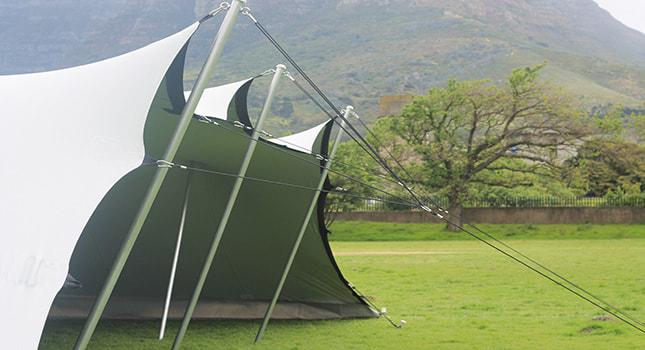
A stretch tent is a single sheet of flexible, waterproof fabric rigged with poles and ropes into flowing shapes. For South African events it handles coastal wind, harsh UV and sudden rain far better than a rigid marquee, while giving your setup an open, modern look that photographs beautifully.
Because the fabric anchors around trees, slopes and awkward corners, one tent can shape itself to almost any venue. That flexibility is why event planners, wedding couples and corporate teams keep coming back to them. You can view the full range of stretch tents for sale South Africa to see the fabric grades and sizes we manufacture.
What size stretch tent do you need for your event?
Size comes down to guest count, layout and event style, not guesswork. As a rule, allow 1.2 to 1.5 square metres per seated guest, then add space for a dance floor, bar and stage. A 15m x 20m tent seats roughly 150 guests comfortably at tables.
Here is a quick capacity guide from our own size range:
| Tent size (m) | Standing / cocktail | Seated at tables |
|---|---|---|
| 7.5 x 10 | Up to 50 guests | 30 to 35 guests |
| 12 x 10 | 80 guests | 50 guests |
| 15 x 10 | 100 guests | 85 guests |
| 15 x 20 | 200 guests | 150 guests |
Charts are a starting point, not gospel. Décor, catering stations and camera crews all eat into floor space. For the full method, including how to plan around your event flow, read how to choose the right stretch tent size for your event.
Do you need sidewalls for your stretch tent?
Not every event needs sidewalls, but many do. Add them when you expect wind, rain, cold evenings, or you want privacy and branding. Leave sides open for a summer sundowner to keep air moving. Partial sidewalls on the windward side are often the smartest compromise.
Sidewalls also change how the tent is rigged, so mention them upfront when you book or buy. We break down every option, from clear PVC panels to branded solid walls, in our guide to stretch tent sidewalls: when and why you need them.
Stretch tent or marquee: which suits your event?
Choose a stretch tent for flexible rigging, awkward sites and that open-air feel. Choose a marquee for full walls, formal décor and maximum weatherproofing in deep winter. Stretch tents usually rig faster and suit gardens, beaches and festivals, while marquees suit gala dinners and large formal functions.
Neither is simply better, they solve different problems. If you are still on the fence, our side-by-side comparison of stretch tents vs marquees covers flexibility, cost, setup time and weather protection in detail.
Are stretch tents good for weddings?
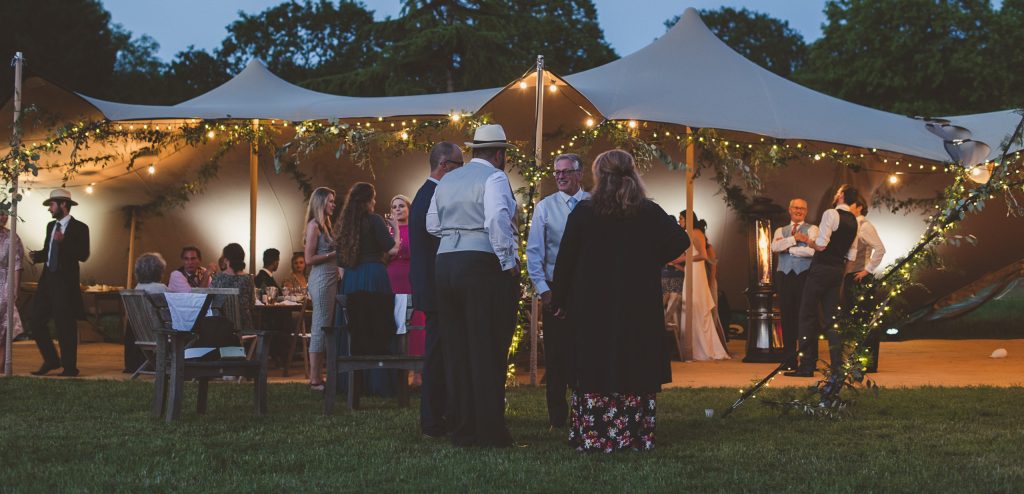
Yes. Stretch tents are one of the most popular wedding structures in South Africa because they pitch over lawns, beaches and uneven ground, and their curves suit fairy lights and draping. Get the size right, plan for weather, and pick a waterproof, UV-treated fabric for a picture-perfect day.
Weddings carry more moving parts than most events, from flooring to permits. Our dedicated guide to stretch tents for weddings covers layout, décor and supplier questions so nothing catches you out on the day.
What should you check before buying a stretch tent?
Before buying, check four things: fabric grade, seams, safety compliance and warranty. Look for welded and stitched seams, a UV-stabilised fire-retardant fabric, recognised standards like French M2 or US CFM, and a written warranty of at least two years. Cheap tents that skip these leak within a season.
Our own tents use 3-ply options like the Endurance 750 and Matte Flex 750, built for heavy rental use and permanent installs. For the full checklist from people who repair leaky tents for a living, read what to look for when buying a stretch tent.
Can you import or export stretch tents from South Africa?
Yes. South African stretch tents are exported worldwide, and quality manufacturers also import specialist fabrics and rigging for large orders. If you are buying across borders, confirm incoterms, freight, duties and compliance certificates upfront so nothing holds up your shipment at customs.
Getting the paperwork and full kits right is where first-time buyers slip up. We cover the detail in our guide to exporting and importing stretch tents.
Why buy your stretch tent from a manufacturer?
Buying direct from a manufacturer means better fabric, honest specs and someone who actually stands behind the product. We have been manufacturing and rigging stretch tents for over three decades, so we have seen every layout mistake and weather curveball South Africa can throw at an event.
That experience shapes every tent we build, from seam construction to sidewall fit. When you buy from us, you get a local manufacturer with international-grade materials, not a reseller passing on someone else’s stock.
What other tent options does Star Tents offer?
Stretch tents are the core range, but they are not the only option. For overnight accommodation, our luxury glamping tents add framed, weatherproof rooms to lodges, resorts and safari camps. For a classic, glowing marquee look on flat ground, compare sailcloth tents vs stretch tents. And once your tent is up, keep it lasting with our guide to cleaning, storing and maintaining a stretch tent.
How do you get started?
Work out your guest count and event style, then match it to the right size and fabric. Once you have a rough plan, get a second opinion from a supplier who does this daily. Browse our full range of stretch tents for sale South Africa, or contact us for a quote and honest advice on what fits your space, weather and budget.