Starting a Tent Rental Business: Inventory Selection, Rigging Hardware, and ROI Guide
The event hire and tent rental industry is one of the most resilient, high-yield sectors within commercial hospitality and logistics. Whether catering to private weddings, high-end corporate galas, music festivals, or pop-up brand activations, event hire companies generate recurring revenue from capital assets that pay for themselves multiple times over their operational lifespan. However, launching a successful tent rental company requires far more than purchasing a few canopies and placing local advertisements.
To build a scalable, highly profitable rental fleet, operators must make strategic decisions regarding fabric selection, modular sizing ratios, hardware standardization, transport logistics, and maintenance protocols. Purchasing low-grade equipment or an mismatched inventory mix leads to high maintenance costs, slow setup times, elevated labor expenses, and severe safety risks in the field. This comprehensive operational guide outlines how to structure a high-return tent rental inventory, select commercial rigging hardware, optimize fleet maintenance, and maximize return on investment (ROI).
Phase 1: Analyzing the Rental Market and Target Demographics
Before allocating capital toward canopy inventory, you must evaluate the dominant event types within your geographic operational radius. The rental market typically divides into three main sectors, each requiring distinct canopy aesthetics and functional specifications:
1. High-End Private Events and Weddings
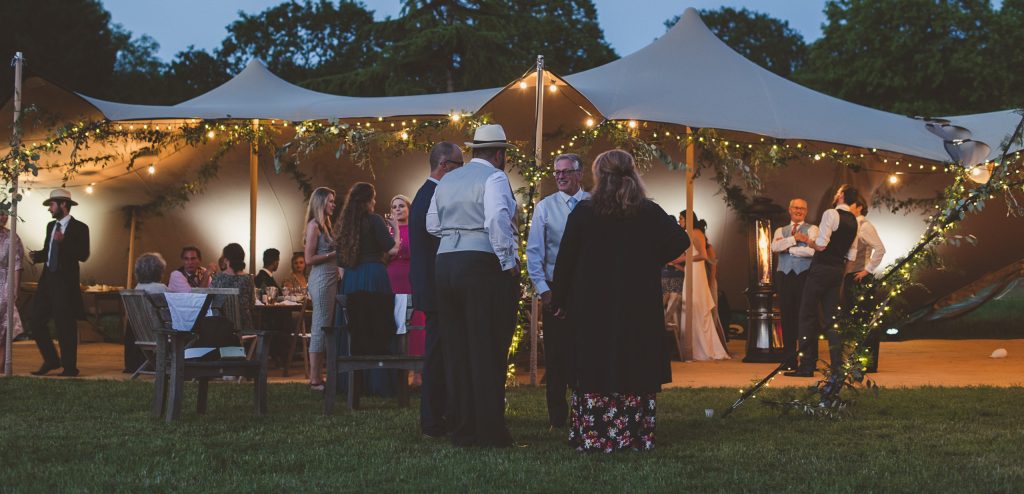
Wedding planners and high-net-worth clients prioritize visual appeal, architectural elegance, and pristine canopy condition. This market segment commands top-tier rental rates but demands flawless equipment, white-glove setup service, and versatile color palettes (primarily organic bedouin white, chino/sandy beige, and translucent sailcloth membranes).
2. Corporate Hospitality and Brand Activations
Corporate clients require strict compliance with site safety regulations, structural wind ratings, and certified fire-retardant materials. Corporate setups often demand large clear-span covered footprints, custom branding opportunities, modular linkability, and fast setup schedules on urban hardpack or paved surfaces.
3. Festivals, Sports Events, and Public Gatherings
Public event hire prioritizes extreme durability, high abrasion resistance, fast washability, and heavy-duty structural anchoring. Equipment deployed at multi-day music festivals or sporting expos endures intense wear and tear, making heavy-duty, low-maintenance coated fabrics essential.
Phase 2: Designing Your Core Starter Canopy Inventory
The most common rookie mistake when launching a rental business is buying random, disconnected tent sizes that cannot be linked or interchanged. A profitable rental inventory relies on modular standardization—purchasing canopy sizes that operate independently for small events or join together seamlessly to cover massive footprints.
Recommended Starter Fleet Matrix
For a newly launched commercial rental business, a balanced starter fleet should consist of three core size tiers designed around versatile flexible membranes:
| Fleet Tier / Canopy Size | Primary Event Application | Seated Dining Capacity | Cocktail / Standing Capacity | Recommended Fleet Quantity |
|---|---|---|---|---|
| Small / Utility (6m x 8m or 7.5m x 10m) | Backyard parties, VIP bar covers, stage roofs | 25 – 40 guests | 50 – 70 guests | 2 Units |
| Medium / Workhorse (10m x 12m or 10m x 15m) | Weddings, corporate lunches, VIP lounges | 70 – 110 guests | 120 – 180 guests | 2 to 3 Units |
| Large / Commercial (15m x 20m) | Major wedding receptions, festival main stages | 180 – 250 guests | 300 – 400 guests | 1 Unit |
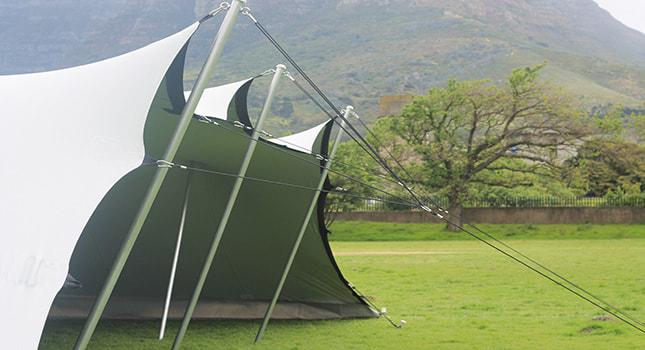
Investing heavily in versatile multi-flex stretch tents provides maximum operational agility because a single stretch canopy can be rigged with all sides open, two sides down for wind protection, or completely sealed to the ground in storm conditions. To evaluate capacity ratios and guest density metrics before finalizing your purchase list, read our specialist guide on how to choose the right stretch tent size for your event.
Diversifying with Premium Architectural Canopies
Once your core stretch tent fleet is operational, expand into premium niche markets by adding classic high-peak sail cloth tents for luxury coastal weddings, or semi-permanent luxury glamping tents to service eco-resorts and pop-up festival glamping villages.
To understand how stretch canopies compare against traditional frame marquees or pole tents in terms of transport weight, setup crew size, and labor costs, review our detailed comparative analysis on stretch tents vs marquees which is better for your event.
Phase 3: Hardware Standardization and Rigging Procurement
In the event rental industry, speed is profitability. The faster your field crew can erect and strike an installation, the lower your labor overhead and the more jobs you can execute per weekend. Standardizing your rigging hardware across all fleet units speeds up setup times and prevents missing parts on site.
1. Support Poles: Modular Aluminum vs Eucalyptus Wood
While solid timber poles deliver rustic luxury for weddings, a mobile rental fleet relies heavily on extruded aluminum poles for daily logistics:
- Extruded Modular Aluminum Poles: Lightweight, indestructible, and engineered with push-fit internal joiners, aluminum poles break down into 1.5m to 2m sections. They fit inside standard utility vans, eliminating the need for long-wheelbase flatbed trucks.
- Solid Eucalyptus / Glulam Wood Masts: Reserved for high-value premium wedding packages. Keep a dedicated set of sealed timber poles in your warehouse for specialized bookings where clients pay a premium setup surcharge.
Stock your rental warehouse with baseplates, telescopic joiners, spigots, and protective top caps from our dedicated pole related tent accessories inventory.
2. Ground Anchoring Hardware
Never compromise on ground anchor quality. A bent stake delays teardown, while a slipping stake causes canopy failure. Outfit every installation vehicle with:
- Commercial Rebar & T-Pegs (800mm to 1000mm): Ribbed steel stakes engineered for maximum soil friction. View heavy-duty options in our peg anchoring accessories section.
- Concrete Expansion and Drop-In Anchors: Essential for securing structures on urban paved venues, concrete plazas, and parking lots. Equip your trucks with SDS rotary hammer drills and hardware from our permanent tent installation accessories catalog.
3. High-Tensile Webbing, Shackles, and Quick-Connects
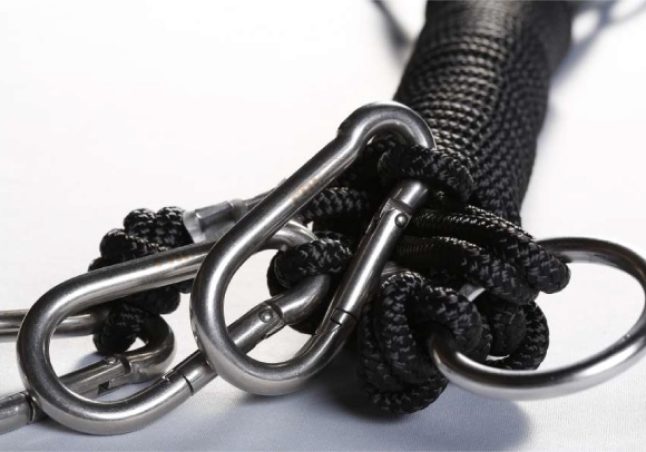
Avoid knot-tying on commercial sites; tying knots slows down setup and damages fiber ropes under dynamic tension. Equip your field crews with heavy-duty 50mm polyester ratchet straps (2,000 kg to 5,000 kg breaking strength), rated bow shackles, and drop-forged carabiners. Standardizing on rated carabiners allows riggers to snap corner tensioners into place in seconds. Explore our commercial rope carabineers and related accessories to standardize your crew bags.
Phase 4: Procurement Strategies and International Shipping
Sourcing commercial-grade tent inventory requires evaluating fabric weight (gsm), coating technology, seam welding standards, and manufacturer warranties. Purchasing cheap non-commercial canvas results in rapid fabric delamination, water leakage, and early replacement costs.
When purchasing your fleet directly from premier manufacturers, ask critical questions about fabric composition, UV inhibitors, and fire safety certifications. To avoid common buyer traps when procuring commercial inventory, consult our industry insider guide on what should you look for when buying a stretch tent from people who’ve actually been there.
Navigating Import and Export Freight Logistics
If you are establishing an event hire business outside of primary manufacturing hubs, importing your fleet involves freight logistics, customs duties, tariff classifications, and international shipping documentation. To streamline your international freight process and calculate landing costs accurately, read our guide on exporting and importing stretch tents what to know before you buy.
Phase 5: Financial Modeling, Pricing Strategy, and ROI Projections
A well-managed tent hire business delivers exceptional gross profit margins. Below is a realistic financial projection for a mid-sized commercial starter fleet consisting of four stretch tents (two 7.5m x 10m units and two 10m x 15m units) along with full rigging kits, aluminum poles, stakes, and ratchets.
Initial Capital Investment (Estimated ZAR)
| Equipment Inventory Item | Quantity | Estimated Investment (ZAR) |
|---|---|---|
| 7.5m x 10m Stretch Tents (Heavy PU/PVC Coated) | 2 Units | R 75,000 |
| 10m x 15m Stretch Tents (Heavy PU/PVC Coated) | 2 Units | R 140,000 |
| Modular Aluminum Pole Kits (Center & Perimeter) | 4 Complete Sets | R 65,000 |
| Heavy-Duty Steel Pegs, Ratchet Webbing & Carabiners | 4 Complete Sets | R 30,000 |
| Heavy-Duty PVC Storage & Transport Bags | 4 Sets | R 12,000 |
| Commercial Rotary Washers / Cleaning Equipment | 1 Setup | R 18,000 |
| Total Estimated Setup CapEx | — | R 340,000 |
Rental Pricing Structure and Monthly Revenue Potential
Rental rates are typically priced per square meter or as fixed package rates based on tent size, plus delivery, setup, and strike fees:
- 7.5m x 10m Tent Package Rate: R 4,500 – R 6,500 per weekend rental
- 10m x 15m Tent Package Rate: R 9,500 – R 14,000 per weekend rental
- Combined Dual-Tent Megastructure Rate (Linked 10x15s): R 22,000 – R 30,000 per event
Assuming conservative booking metrics during peak event seasons (8 operational weekends per quarter, achieving 50% fleet utilization):
- Monthly Gross Rental Income (Average): R 65,000 – R 95,000
- Direct Labor & Transport Overhead (25%): R 16,250 – R 23,750
- Net Operating Profit Margin: Approximately 65% to 75%
- Capital Payback Horizon: 6 to 9 months of active operational deployment
Phase 6: Warehouse Operations and Equipment Maintenance
Your canopy fabric is a working capital asset. Every stain, scuff, or mildew spot reduces the rental price you can charge. Establishing strict warehouse washdown and drying protocols preserves asset values and extends fabric lifespans beyond 5+ years of active hire service.
1. Post-Event Washdown Protocols
Never allow field crews to pack away mud-stained or wet canopies inside PVC bags for longer than 24 hours. Damp storage triggers rapid mildew growth, foul odors, and permanent fabric staining.
- Spread dirty canopies out on a clean, smooth washbay floor or heavy PVC groundsheet.
- Wash both sides using soft scrubbing brushes and specialized pH-neutral cleaners formulated for coated architectural textiles.
- Never use industrial pressure washers at close range or harsh solvent degreasers, as these strip protective UV topcoats and damage high-frequency welded seams.
For detailed, step-by-step cleaning procedures, follow our technical master guide on how to clean and maintain a stretch tent, and keep your warehouse crew stocked via our general tent maintenance accessories section.
2. Rigging Inspection and Safety Retires
Implement a mandatory hardware inspection checklist after every event teardown:
- Check all ratchet webbings for edge fraying or severe abrasion; discard worn webbings immediately.
- Inspect aluminum pole joiners for impact dents or sand grit contamination that causes joint jamming.
- Check carbon steel pegs for bending; straighten or replace bent stakes using vertical stake extractors rather than side-hammering.
Safety Engineering, Site Layouts, and Risk Management
As a rental company owner, you carry legal liability for structural safety on client sites. Before driving your first stake, field supervisors must execute a thorough site assessment to identify underground utilities (electricity cables, water pipes, irrigation), overhead power lines, and tree canopy hazards.
Mastering site clearance calculation, guy wire offsets, and wind bracing protocols is essential for every setup crew. Train your team using our comprehensive stretch tent planning guide south africa to ensure every installation meets national safety standards.
Build Your Event Hire Fleet with Commercial-Grade Equipment
Launching a profitable tent rental business requires pairing strong commercial marketing with commercial-grade equipment engineered for continuous hire service. By investing in modular stretch canopy sizes, standardizing your rigging hardware, and implementing strict warehouse maintenance, you build an asset-backed business delivering recurring cashflow.
To inspect real-world event installations and commercial fleet configurations, visit our project gallery. Learn more about our manufacturing standards and custom fabrication capabilities on our about us page, or contact our commercial sales team directly via our contact page to discuss starter fleet packages, custom sizing, and volume pricing.