How to Start a Profitable Glamping Business in South Africa: Complete Setup & ROI Guide
The experiential travel market in South Africa has shifted dramatically toward luxury eco-tourism and outdoor hospitality. Travelers, remote workers, and international tourists are moving away from traditional concrete hotel rooms in favor of immersive nature experiences. Glamping—glamorous camping—bridges the gap between high-end hospitality and the rugged African outdoors. It offers landowners, lodge operators, and tourism entrepreneurs high profit margins with significantly lower capital expenditure than traditional brick-and-mortar developments.
Setting up a successful glamping venue requires strategic planning, proper infrastructure, and structural hardware capable of enduring harsh environmental conditions. From coastal humidity in KwaZulu-Natal to intense UV exposure in the Western Cape and frost in the Highveld, your semi-permanent tent structures must perform under extreme strain. This comprehensive operational guide details every critical phase of launching a profitable glamping site in South Africa, from land prep and municipal approvals to tent selection, off-grid utilities, and financial projections.
Step 1: Feasibility, Land Selection, and Zoning Regulations
Before purchasing hardware or clearing brush, you must evaluate the commercial and legal viability of your site. Location drives nightly rates, occupancy, and operational logistics.
Site Assessment Criteria
A prime glamping location balances seclusion with accessibility. Guests desire panoramic views, silence, and natural beauty, but they also require safe access roads for standard passenger vehicles. Key site selection variables include:
- Topography: Elevated or slightly sloping ground provides natural drainage during heavy summer rainstorms and delivers superior views. Avoid floodplains, low-lying drainage basins, or dry riverbeds prone to flash floods.
- Orientation: Position tent openings to capture sunrise or sunset views while mitigating prevailing wind directions. In the Southern Hemisphere, north-facing positioning maximizes winter sun exposure, lowering heating costs.
- Utility Proximity: Evaluate the distance to main electrical lines, borehole access points, and road infrastructure. Extending utility lines over 500 meters can double your initial site development costs.
South African Municipal Approvals and EIAs
While tented structures are classified as semi-permanent or removable developments, you cannot build a commercial glamping site without proper municipal zoning and environmental compliance.
- Land Use Rights and Consent Use: Verify if your land is zoned for agricultural or commercial tourism use. Most agricultural properties require a “Consent Use” application or land rezoning through the local municipality.
- National Environmental Management Act (NEMA): If your site sits within critical biodiversity areas, coastal zones, or within 32 meters of a watercourse, an Environmental Impact Assessment (EIA) or Basic Assessment Report (BAR) is required by law. Tented accommodations carry a lighter environmental footprint than concrete, simplifying the authorization process.
- SANS 10400 Building Regulations: Timber decks, plumbing connections, and electrical wiring installed within your tented suites must comply with South African National Standards for structural safety and fire prevention.
Step 2: Selecting High-Performance Luxury Glamping Tents
Your choice of tent structure dictates your guests’ comfort, your maintenance schedule, and the lifespan of your investment. Standard camping canvas or thin single-wall tents deteriorate rapidly under South Africa’s intense UV radiation.
Commercial glamping operators require heavy-duty, multi-layered architectural fabric built for year-round occupancy. Explore our dedicated range of commercial glamping tents designed specifically for resort-grade hospitality setups.
Single-Peak vs Multi-Room Safari Tents
Depending on your target demographic, you must choose structural layouts that fit your pricing strategy:
- Couples’ Retreat Suites (30m² – 45m²): Single-room open-plan layouts designed around a king-sized bed, integrated en-suite bathroom, and private deck area. High density per hectare, ideal for romantic getaways.
- Family Luxury Lodges (60m² – 100m²): Multi-room configurations featuring separate master bedrooms, bunk rooms for children, fully equipped kitchenettes, and expansive shaded verandas. These command premium nightly rates during school holidays.
For detailed regional specifications and custom configurations tailored to local tourism markets, review our specialist guide on luxury glamping tents South Africa.
Material Weatherproofing Standards
When procuring canvas structures for commercial use, demand materials engineered for severe outdoor exposure:
- Ripstop Canvas Heavy-Duty Blends: Look for 400gsm to 550gsm fire-retardant, anti-fungal, and water-repellent heavy canvas. Higher gsm ratings resist tearing in high winds and prevent moisture penetration during torrential downpours.
- Dual-Fly Roof Covers: A heavy-duty PVC or shade mesh outer fly sheet positioned 150mm above the main canvas canopy acts as a thermal barrier. It absorbs direct solar heat, lowers interior temperatures by up to 8°C in summer, and protects the inner canvas from UV degradation and tree sap.
- Reinforced Frame Structure: Galvanized steel tubing or pressure-treated CCA pine poles (minimum 100mm-125mm diameter) ensure the frame handles wind loads exceeding 100 km/h without structural flex.
Step 3: Decking, Foundations, and Structural Anchoring
Never pitch commercial glamping tents directly onto bare dirt or grass. Elevating your tents on timber decking creates a level surface, isolates the floor from damp soil, prevents insect intrusion, and dramatically extends canvas life.
Constructing Sub-Structures and Timber Decks
Timber platforms should be constructed using SABS-approved CCA-treated pine (Class H4 for ground contact, Class H3 for above-ground framing) or composite decking materials for low maintenance in coastal environments.
- Pole Foundations: Anchor timber support posts into concrete footings excavated to a minimum depth of 600mm to 800mm, depending on soil stability.
- Deck Extension: Extend the wooden platform 2 to 3 meters beyond the front zip door to create a shaded outdoor living space for wood-fired hot tubs, lounger seating, and outdoor dining tables.
Anchor Systems for Semi-Permanent Glamping Tents
Because glamping tents feature high vertical sidewalls and broad roof surface areas, they experience immense wind drag during storms. Standard ground pegs are insufficient for long-term installations.
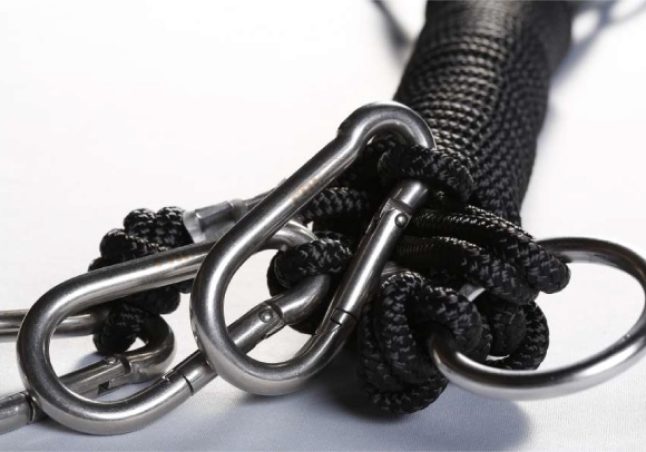
Securing the frame directly to the timber deck sub-structure using stainless steel mounting plates, heavy-duty turnbuckles, and high-tensile ratchet assemblies ensures long-term stability. For sites with loose or rocky perimeter soil, integrate hardware from our specialized permanent tent installation accessories catalog to anchor outer fly lines permanently.
Step 4: Off-Grid Utilities & Infrastructure Integration
Modern luxury travelers expect hot rain showers, ambient lighting, refrigeration, and power outlets to charge smartphones and laptops. If your site lacks municipal grid connections, you must install reliable off-grid utility systems.
Solar Power & Battery Storage
A 5kW to 8kW hybrid solar power system per cluster of 3 to 4 glamping tents typically handles all hospitality power loads. Key component specs include:
- Solar Panels: High-efficiency Tier-1 monocrystalline panels installed on utility sheds or concealed ground frames.
- Lithium Iron Phosphate (LiFePO4) Batteries: Essential for deep-discharge daily cycling, supplying uninterrupted energy through night hours and cloudy spells.
- Low-Wattage Appliances: Supply high-efficiency 12V or 220V LED lighting, gas-powered water heaters, and A++ energy-rated mini-bars to keep inverter loads manageable.
Water Supply and Eco-Sanitation
Reliable water management is vital in arid South African provinces:
- Freshwater Delivery: Source water from certified boreholes, rainwater harvesting tanks, or municipal supply. Install a pressurized 24V or 220V diaphragm pump system to maintain 3-bar water pressure at showerheads.
- Water Heating: Gas flow-through geysers (e.g., 12L to 16L units) provide instant, unlimited hot water on demand without consuming battery power.
- Wastewater Management: Install eco-friendly multi-chamber septic tanks or aerobic worm-farm bio-digesters. Bio-digesters process blackwater safely into clear irrigation-grade effluent without odor or soil contamination.
Step 5: Luxury Interior Design, Climate Control, and Insulation
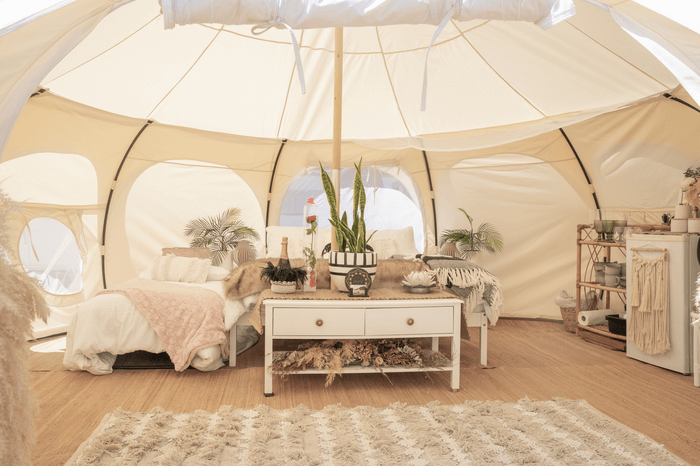
Interior design transforms a basic canvas tent into a high-yielding luxury suite. The interior layout should reflect an authentic sense of place using natural woods, woven textures, local stonework, and earthy color palettes.
Climate Control Across Seasons
Canvas walls lack the thermal mass of concrete walls. To maintain year-round occupancy, you must integrate climate control features:
- Winter Heating: Closed-combustion cast-iron wood stoves are the gold standard for luxury glamping. They radiate dry, intense heat through cold nights while adding visual charm. Ensure flue pipes pass through certified double-walled insulated flashings where they exit the canvas roof.
- Summer Cooling: High-volume ceiling fans combined with full-mesh mosquito windows allow cross-ventilation. In extreme climate zones (e.g., Kruger or Kalahari), install low-power inverter air conditioning units connected to solar storage.
- Insulated Canvas Liners: Zip-in quilted interior canvas liners trap heat during winter and block radiant thermal transfer during summer heatwaves.
En-Suite Bathrooms
Outdoor or semi-open en-suite bathrooms are top-rated guest features. Build solid timber or stonework backwalls behind the bed to house vanity basins, flushing toilets, and rain showers. Freestanding copper or stone bathtubs positioned on private decks significantly raise nightly booking rates.
Financial Model: Investment Costs, Revenue Projections, and ROI
A key advantage of starting a glamping business is the rapid Return on Investment (ROI) compared to traditional hotel construction. Below is a realistic financial breakdown for establishing a 4-tent luxury glamping venue in South Africa.
Initial Capital Expenditure (CapEx) Breakdown (ZAR)
| Expense Category | Cost per Unit (ZAR) | Total for 4 Units (ZAR) |
|---|---|---|
| Commercial Luxury Glamping Tents (50m² footprint) | R 120,000 | R 480,000 |
| CCA Timber Decking & Platform Foundations | R 65,000 | R 260,000 |
| Off-Grid Utility Setup (Solar, Gas Geysers, Bio-Digester) | R 45,000 | R 180,000 |
| Interior Fit-out (King Bed, Furniture, Linen, Bathroomware) | R 55,000 | R 220,000 |
| Site Prep, Civils & Internal Access Roads | R 20,000 | R 80,000 |
| Total Estimated Setup CapEx | R 305,000 | R 1,220,000 |
Revenue Projections & Return on Investment
Assuming conservative performance metrics for a well-marketed venue in a popular weekend-break destination (e.g., Drakensberg, Cape Winelands, Magaliesberg, or Garden Route):
- Average Daily Rate (ADR): R 2,200 per night per tent
- Target Average Occupancy Rate: 55% (approx. 16.5 nights booked per month per tent)
- Gross Monthly Revenue per Tent: R 2,200 × 16.5 = R 36,300
- Total Monthly Revenue (4 Tents): R 145,200
- Total Annual Gross Revenue (4 Tents): R 1,742,400
After deducting operating costs (marketing, laundry, gas, site maintenance, cleaning staff, and land lease), average net profit margins range between 40% and 55%. Under these parameters, full payback on initial capital expenditure is achievable within 16 to 22 months of operation.
Maintenance Schedules to Preserve Commercial Assets
Glamping tents represent active commercial equipment exposed to weather 365 days a year. Implementing strict preventive maintenance schedules guarantees long asset lifespans and protects guest review scores.
- Quarterly Canvas Washdowns: Remove bird droppings, mold spores, and airborne pollution using soft brushes and eco-friendly canvas cleaners. For detailed cleaning procedures, follow our guide on how to clean and maintain a stretch tent, which applies to high-grade canvas materials.
- Re-Proofing Treatments: Re-apply fluoropolymer water and UV re-proofing sealants every 18 to 24 months to keep canvas water-repellent and resistant to sun fading. Stock up on specialized solutions via our general tent maintenance accessories store.
- Structural Rigging Checks: Inspect all frame turnbuckles, ratchets, anchor points, and wood pole connections monthly to maintain balanced tension across the structure.
Before launching your site layout, ensure you calculate total footprint clearances, guy wire offsets, and guest walking paths by consulting our comprehensive stretch tent planning guide south africa.
Building a successful glamping resort requires pairing prime natural land with commercial-grade tent engineering. To learn more about our company, manufacturing standards, and custom structural projects across Africa, visit our about us page, or reach out directly to our technical team on our contact page to discuss your upcoming resort development.