Stretch Tent Sidewalls: When and Why You Need Them


So you’ve chosen your stretch tent size, found a supplier, and planned your layout. But did you think about the sidewalls? They’re not just a box-ticking extra — in many cases, they’re what stand between you and an event that gets soaked, windswept, or uncomfortably chilly.
Why Sidewalls Matter
South Africa’s weather can switch from blazing sun to gusty winds or sideways rain in an afternoon. An open stretch tent gives you that beautiful open-air feeling, but it also leaves you exposed on all sides. Add sidewalls and suddenly you’ve got a more flexible shelter that protects your guests when the weather turns.
Not All Events Need Them — But Many Do
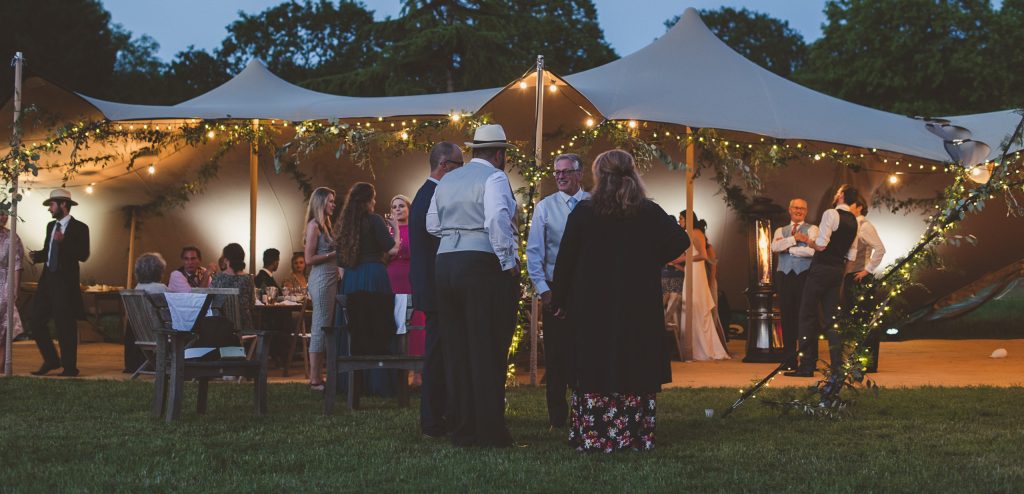
Some functions can get away without them. A summer sunset cocktail evening, for example, or a laid-back festival stall where people wander freely. But weddings, corporate functions, and anything with formal seating usually benefit from sidewalls. They help hold in warmth on cooler nights and block that relentless crosswind that loves to sneak under the tent edges.
More Than Just Weather Protection
Sidewalls aren’t only about rain. They help define your space too. In open areas like beaches or large lawns, a tent with sidewalls feels more like a purposeful venue. Guests relax because they feel enclosed and sheltered. For catering teams, it’s a big plus too — they’re not battling dust, sand, or stray pets.
Types of Sidewalls You’ll Find
There’s no one-size-fits-all option. Some stretch tent manufacturers offer detachable sidewalls you can add or remove mid-event. Others build modular panels that zip or clip together. Clear PVC panels are common for clients who want a view while blocking the wind. Solid fabric walls are best for privacy or if you need branded panels for corporate functions.
Do Sidewalls Affect Tent Setup?
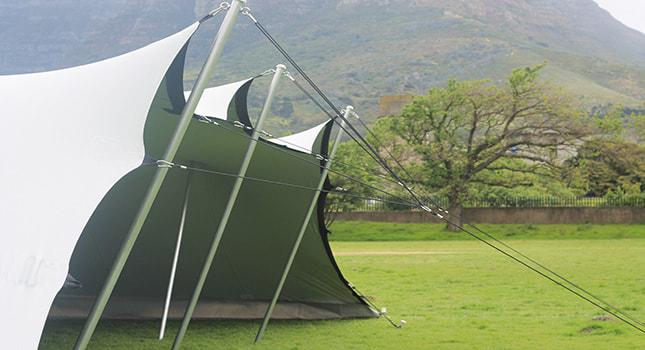
Absolutely. The extra fabric changes how your tent is anchored. Tighter walls can create pressure points in strong winds, so rigging has to be adjusted. Poles and anchor lines might shift. Good suppliers factor this in when they plan your setup — but it’s something you should mention upfront when you book or buy.
What About Heat Build-Up?
Here’s a mistake first-timers make: fully enclosing a stretch tent in midsummer. It turns into a greenhouse. Unless you’re running fans or AC units inside, you’ll want at least some sides open to keep air moving. Partial sidewalls — panels on the windward side, or adjustable sections — are a smart compromise. They let you shield guests from wind and rain without trapping heat.
Branding and Visual Appeal
For corporate events and brand activations, sidewalls are a blank canvas. Many suppliers can print logos, taglines, or full-color visuals directly onto your panels. It’s extra exposure in photos and video, and it makes your tent stand out from generic hire units.
Should You Buy Them Upfront?
If you’re buying your own stretch tent — rather than hiring — investing in sidewalls upfront makes sense. It’s cheaper than adding custom panels later, and you know they’ll match your tent fabric exactly. For resellers or event rental companies, offering sidewalls as an add-on is an easy upsell that makes your inventory more versatile.
How to Store and Care for Sidewalls
Don’t overlook maintenance. Clean and dry your sidewalls before packing them away — damp panels are prone to mold. Store them rolled, not folded, to avoid deep creases that can weaken the waterproof coating over time.
Checklist: When to Add Sidewalls
- Expecting rain or strong winds?
- Night-time or winter event?
- Want to hold in heat from patio heaters?
- Need privacy or branding for a public venue?
- Site exposed to dust, sand, or debris?
Final Takeaway
Sidewalls are simple, but they make a huge difference. They can save your event from being cut short by wind or rain — and they add an extra layer of polish and professionalism. Don’t treat them as an afterthought. Talk to your supplier about sidewall options that fit your stretch tent perfectly.
If you’re comparing options, view our stretch tents for sale South Africa — or contact us for advice on sidewalls and add-ons that keep your guests comfortable, whatever the weather throws at you